Bird Embroidery Review: Perfect for Boutique Sweatshirts
As an embroidery designer who has spent years refining digitizing techniques and selecting the right machine embroidery design for commercial apparel, I approach every new file with a critical eye. Recently, I had the opportunity to test the Bird Embroidery design for an upcoming limited drop of premium sweatshirts for a small boutique brand. The goal was simple: create a collection that feels handmade yet polished, casual yet high-value. This review breaks down how this specific embroidery file performs when translated from a digital asset to a tangible finished product on heavy cotton blends.
First Impressions: Mood and Aesthetic Potential
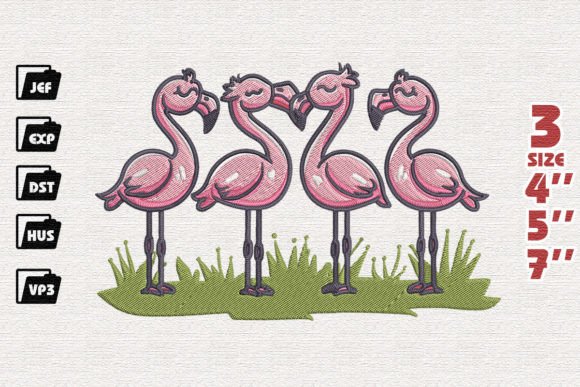
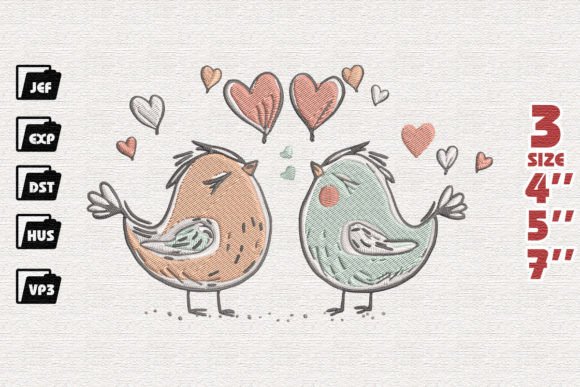
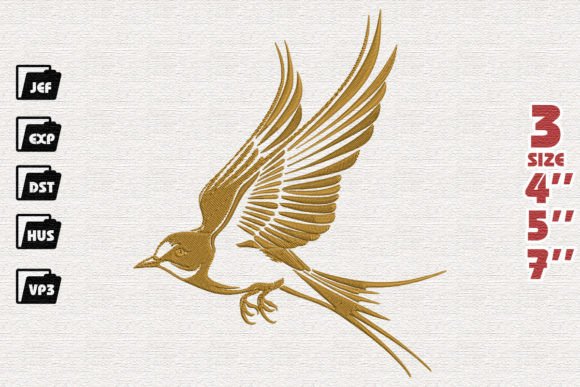
Upon loading the digital embroidery file into my editing software, the first thing that struck me was the versatility inherent in the layout. The description notes that this design works on pillows, tote bags, and jackets, which immediately signals a balanced composition. It isn't overly complex, which is crucial for sweatshirt embroidery where fabric texture can interfere with fine details. The mood of the Bird Embroidery feels simultaneously rustic and playful. It carries a feminine touch without being fragile, making it an excellent candidate for the current trend of cozy, oversized seasonal apparel.
For a boutique brand, visual recognition is everything. This design offers a strong silhouette that reads well even from a distance. Whether you are aiming for a minimal look on a chest pocket or a bold statement on the back, the personality of the stitching suggests a hand-crafted charm that machine-only productions often lack. It feels decorative enough to elevate a basic garment into a handmade product that customers want to wear repeatedly.
Fabric Compatibility and Color Strategy
The true test of any hoodie design is how it interacts with different fabric weights and colors. I simulated the Bird Embroidery on several swatches to gauge its performance. On neutral sweatshirts, such as oatmeal or heather grey, the design shines by allowing the thread colors to pop against the muted background. The contrast here is natural and earthy, perfect for a brand focusing on organic or eco-friendly aesthetics.
When moving to dark fabrics like navy or charcoal, the design requires careful selection of thread colors. A metallic gold or bright white thread transforms the piece into something more luxurious and bold. Conversely, on pastel colors, the design leans into a cute, soft aesthetic. One concern with darker, thicker fabrics is stitch density. If the design is too dense, it can cause the fabric to pucker or feel stiff. Based on the visual structure of Bird Embroidery, it appears to have enough open space to breathe, which is vital for maintaining the drape of a heavy fleece hoodie.
For custom apparel lines, consistency is key. The design holds its shape well across different fabric textures, from smooth jersey to brushed fleece. However, always remember that the final look depends heavily on your thread choice. Satin threads will give a shiny, premium finish, while matte cotton threads will enhance the rustic, vintage vibe.
Placement Strategies for Maximum Impact
Where you place the Bird Embroidery dictates the entire feel of the garment. For a subtle, high-end look, I recommend a small-scale version on the left chest. This is a classic small shop product strategy that builds brand identity without overwhelming the wearer. For a more statement-making piece, centering the design on the back of an oversized hoodie creates a focal point that looks incredible in printable mockup previews and lifestyle photography.
Sleeve accents are another trending location. Placing a smaller iteration of the bird near the cuff adds a surprising detail that encourages customer engagement. When photographing these items for Etsy seller listings or social media, these unique placements provide multiple angles for content, showcasing the quality of the commercial embroidery work. The versatility mentioned in the product description truly comes alive here; the same file can serve as a main logo or a subtle accent depending on how you scale it within your available hoop size.
Technical Considerations for Production
Before running a production batch, there are several practical designer concerns to address. First, stabilizer choice is non-negotiable. Given that sweatshirts are often made of stretchy knits or thick loops, using a cut-away stabilizer is essential to prevent distortion over time. This ensures the Bird Embroidery remains crisp after multiple washes. Speaking of washing durability, the interplay of stitch types in this design suggests it should hold up well, provided the tension is calibrated correctly for the specific machine being used.
Small-size readability is another factor. If you plan to shrink this design for a pocket logo, ensure the fine details of the bird's feathers do not merge into a solid blob. You may need to adjust the pull compensation or simplify certain elements if scaling down significantly. Additionally, always verify the hoop size requirements before purchasing. While the design is versatile, your physical hoop limits will dictate the maximum size you can embroider in one go.
It is also important to note that while the product description highlights versatility, it does not specify exact stitch counts or license terms. As a professional, I must remind fellow creators to check these details thoroughly before committing to a large run. Knowing the stitch count helps estimate production time, which directly affects pricing and profit margins for your small shop product line.
Elevating Brand Value and Customer Trust
Incorporating a well-executed design like Bird Embroidery does more than just decorate a shirt; it elevates the perceived value of the entire collection. Customers associate detailed, clean embroidery with quality and care. When an Etsy seller or independent designer presents a garment with precise stitching and thoughtful placement, it builds buyer trust. The design becomes part of your brand identity, creating a visual language that customers recognize and return to.
Furthermore, the aesthetic flexibility of this bird motif allows for seasonal adaptations. Swap the thread colors for autumnal tones in October or pastels in spring, and suddenly you have a fresh collection without needing new design assets. This adaptability is crucial for maintaining customer engagement throughout the year. The finished product feels intentional and curated, distinguishing your brand from mass-market retailers.
Ultimately, the Bird Embroidery design proves to be a robust tool for creative entrepreneurs. It bridges the gap between digital convenience and tactile artistry. Whether you are decorating jackets, framing artwork, or launching a new line of cozy hoodies, this file offers the structural integrity and aesthetic charm needed for success. Just ensure you pair it with the right materials and technical settings to let its full potential shine.