Butterfly Frame Machine Embroidery Review
As an embroidery designer preparing for a busy weekend at the local craft fair, my table needs to tell a story instantly. Customers walk by quickly, and I only have seconds to catch their eye with a handmade product that screams quality and charm. Today, I am reviewing the Butterfly Frame Machine Embroidery design to see if it earns a spot on my best-selling rack. This isn't just about pretty pictures; it is about practical application, stitch quality, and whether this machine embroidery design can turn a blank tote bag into a must-have item.
First Impressions and Aesthetic Appeal
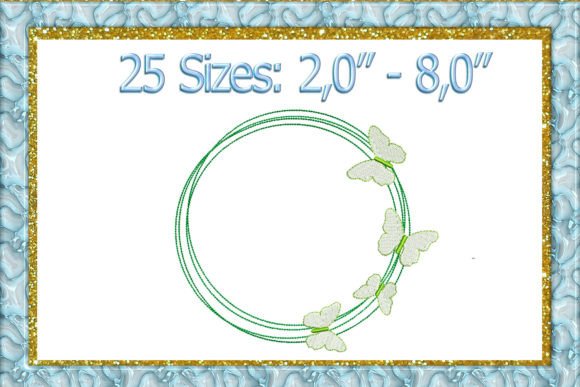
When I first loaded the digital embroidery file onto my screen, the immediate vibe was undeniably spring-like and elegant. The combination of a butterfly motif within a frame suggests a classic, perhaps slightly farmhouse or cottage-core aesthetic. It feels soft yet structured. For a craft fair booth, this is gold. It appeals to a wide demographic, from young mothers looking for nursery decor to grandmothers seeking personalized kitchen linens. The "frame" aspect is crucial here; it transforms a simple nature image into a monogram-ready space, adding significant value for customers who want customization. It strikes a balance between being decorative and functional, making it a versatile design asset for any seasonal collection.
Product Versatility for the Craft Fair Booth
The true test of any embroidery file is how it performs across different substrates. I mentally laid out my display table to visualize where the Butterfly Frame Machine Embroidery would shine brightest.
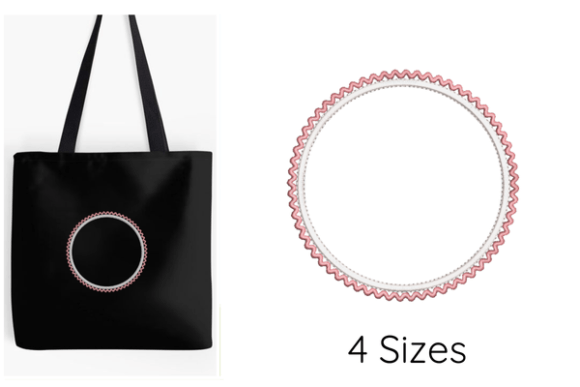
- Tote Bags and Market Bags: This is likely the winner. A large hoop placement on a canvas tote allows the frame to breathe. The butterfly becomes a focal point, and the center of the frame is perfect for a buyer's initials. As a tote bag design, it elevates a generic bag into a boutique item.
- Aprons and Tea Towels: For kitchen goods, this design offers a charming apron embroidery solution. On a waffle weave or flour sack towel, the frame keeps the butterfly contained, preventing it from getting lost in the fabric texture. It feels like a premium gift rather than a basic utility item.
- Patches and Pouches: If stitched on twill for an embroided patch, this design could be ironed onto denim jackets or hats later. For small fabric pouches, the frame acts as a neat border, making the small small shop product look professionally finished.
- Pillow Covers: Home decor is a high-margin category. Placing this design in the corner of a linen pillow cover creates an understated, elegant look that fits modern interior trends.
Production Practicality and Batch Selling
When you are running a small business, time is money. The Butterfly Frame Machine Embroidery appears to be designed with production in mind. The framing element suggests clear boundaries, which helps with hooping and alignment. For an Etsy seller or craft fair vendor, consistency is key. If I can hoop once and stitch multiple items without constant re-adjustment, my profit margins improve. The design seems substantial enough to be a large focal design but detailed enough to hold interest up close. However, for batch production, one must consider the stitch density. If the butterfly wings are too dense, it could cause puckering on lighter fabrics like tea towels. Conversely, if it is too light, it might lack the "pop" needed to stop a customer in their tracks at a busy market.
Visual Impact and Customer Engagement
In a sea of handmade goods, visual appeal drives sales. The butterfly motif is universally recognized as a symbol of transformation and beauty, which creates an emotional connection. When placed in a frame, it adds a layer of sophistication. This affects buyer engagement because customers immediately see a place for their own name or family initial. It invites interaction. Furthermore, for online listings, this design photographs beautifully. The frame provides a natural crop for printable mockup images, allowing potential buyers to visualize the finished product on their phone screens before they even visit the booth.
Critical Considerations for Execution
While the design holds immense potential, a professional eye must spot the pitfalls before stitching begins. There are several "careful-use" notes to consider to ensure every item sold represents high-quality craftsmanship.
- Fabric Texture and Density: Thick fabrics like terrycloth towels can swallow small details. If the butterfly has tiny satin stitches, they might disappear on a plush towel. Always test on scrap fabric first.
- Thread Contrast: The success of a framed design relies on the contrast between the thread and the fabric. On dark fabric, ensure the thread colors are vibrant enough to stand out, or use a lighter underlay to prevent the fabric color from muting the design.
- Curved Surfaces: If applying this to caps, remember that curved surfaces distort frames. An oval or circular frame might work better on a cap than a square one, depending on the specific geometry of this file.
- Small Lettering: If using the center of the frame for monograms, ensure the font size is appropriate. Tiny lettering can become unreadable if the hoop size limits the overall scale of the embroidery.
Designer Notes for Quality Control
Before committing to a full run of commercial embroidery products, I always follow a strict checklist. First, verify the stabilizer choice. For stretchy knits or loose-weave linens, a cut-away stabilizer is often safer than tear-away to maintain the integrity of the frame over time. Second, review the spacing between the butterfly and the frame edges; cramped designs look amateurish. Third, check the licensing terms. The description mentions "9 formats," which is excellent for compatibility, but always confirm commercial licensing before selling finished goods derived from a digital download. Finally, create at least one real physical mockup. Photos can lie, but holding the stitched sample reveals the true tactile quality of the Shapes and lines within the Embroidery.
In conclusion, the Butterfly Frame Machine Embroidery is a strong contender for a spring or summer craft fair lineup. Its blend of nature and structure offers broad appeal, and its adaptability across tote bags, linens, and home decor makes it a versatile tool for increasing average order value. With careful attention to fabric selection and stitch testing, this design can easily become a signature piece in a handmade portfolio, driving both booth traffic and online sales.