Cute Cat Pumpkin Embroidery: A Designer's Craft Fair Review
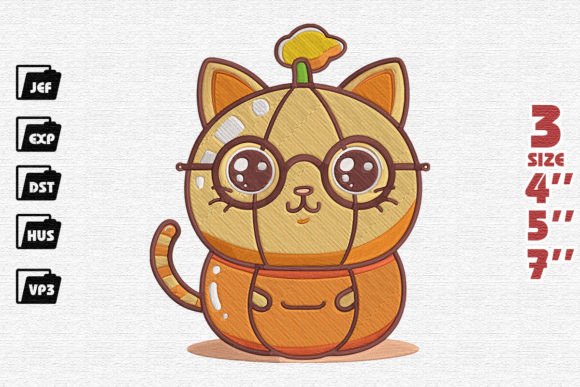
As I set up my booth for the upcoming autumn craft fair, my eyes are drawn immediately to the sample featuring the Cute Cat Pumpkin Embroidery. In the world of handmade markets, first impressions are everything. When a customer walks past a table laden with tote bags, aprons, and home decor, they have mere seconds to decide if something catches their eye. This design, with its delightful fusion of feline charm and seasonal warmth, feels like an instant winner. It strikes a perfect balance between playful and rustic, making it an ideal craft fair product for the fall season.
The initial visual impact is undeniably cute yet sophisticated enough for modern farmhouse aesthetics. It does not scream "novelty" in a cheap way; instead, it exudes a cozy, inviting vibe that suggests quality handmade product creation. For us as creators, the question is not just whether it looks good, but how it performs across various substrates and production scenarios.
Visual Appeal and Market Fit
The strength of the Cute Cat Pumpkin Embroidery lies in its versatility. At a glance, the design reads clearly. The silhouette of the cat paired with the pumpkin creates an immediate association with Thanksgiving and autumn without needing complex details. This clarity is crucial for booth displays where items are viewed from a distance. Whether placed on a neutral linen tote bag design or a vibrant orange kitchen towel, the contrast holds up well.
For Etsy seller accounts and digital storefronts, this design photographs beautifully. The distinct shapes allow for crisp printable mockup creation, which is essential for online conversions. Customers browsing digital listings need to visualize the finished product instantly. This design's clean lines and balanced composition make it a strong candidate for both physical goods and design assets sold as digital embroidery file downloads.
Performance Across Product Lines
When evaluating where this pattern shines, several key products come to mind for a weekend market setup:
- Tote Bags and Market Bags: This is likely the highest volume seller. The design works perfectly as a central focal point on canvas or cotton totes. It transforms a simple bag into a seasonal statement piece.
- Apron Embroidery: An embroidered apron is a classic gift item. Placing this motif on the bib or lower pocket adds a touch of whimsy that appeals to home cooks and hosts.
- Tea Towel Embroidery: Kitchen textiles are impulse buy favorites. The design scales down well for towels, provided the stitch resolution remains sharp.
- Embroidered Patches: Creating iron-on or sew-on patches allows customers to customize their own jackets or bags, adding a layer of interactivity to your sales.
- Pillow Covers and Pouches: These smaller home decor items benefit from the "cute" factor, making them perfect for gift-giving.
However, not every surface is created equal. While the design is versatile, its application requires thoughtful consideration of the material. On thick fabrics like denim or heavy canvas, the stitch density must be managed to prevent puckering. Conversely, on textured waffle-weave towels, fine details might get lost, so checking the sample on the actual fabric texture is non-negotiable.
Production Practicality and Batch Efficiency
From a production standpoint, time is money. A design that takes too long to stitch or requires constant thread changes can eat into profit margins at a busy craft fair. The Cute Cat Pumpkin Embroidery appears to have a logical color flow. Assuming standard thread colors are used—perhaps warm oranges, deep greens, and soft neutrals—the jump sequence should be efficient.
For batch production, consistency is key. If you are running ten tote bags in a row, the design needs to register perfectly every time. This is where understanding your hoop size limitations becomes critical. Ensure the design fits comfortably within your chosen hoop without requiring excessive re-hooping, which slows down the workflow. Additionally, the use of the correct stabilizer is vital. For stretchy fabrics like caps or thin pouches, a cut-away stabilizer might be necessary to maintain the shape of the cat and pumpkin over time, whereas a tear-away could suffice for sturdy tote bags.
Critical Considerations for Quality Control
Before committing to a full production run, there are specific technical aspects to review to ensure the small shop product meets professional standards:
- Density Checks: Inspect the pumpkin and cat areas for overly dense stitching. High density can cause fabric stiffness or needle breaks, especially on delicate materials.
- Detail Clarity: If the design includes tiny facial features or small lettering, verify that these do not merge together when stitched at smaller sizes. What looks clear on a screen may blur on a 4x4 inch patch.
- Curved Surfaces: If applying this to caps, remember that the curved surface distorts the perspective. Test the alignment carefully to ensure the cat doesn't look warped.
- Dark Fabric Contrast: While the design is charming, ensure the thread palette offers enough contrast if stitching on navy or black backgrounds. You may need to adjust underlay settings or add a white base layer for vibrancy.
Maximizing Buyer Engagement
Ultimately, the goal of any commercial embroidery project is to drive sales. The Cute Cat Pumpkin Embroidery enhances brand consistency by offering a cohesive seasonal theme across your booth. When customers see the same high-quality motif on a towel, a bag, and a patch, it reinforces the perception of a curated, professional collection.
This design encourages buyer engagement because it taps into the emotional connection people have with pets and holidays. It is not just a picture of a cat; it is a celebration of the season. By displaying real mockups rather than just digital renderings, you allow customers to feel the texture of the stitches and appreciate the craftsmanship. Touch is a powerful sales tool in physical retail.
In conclusion, integrating the Cute Cat Pumpkin Embroidery into your autumn lineup is a strategic move. It checks the boxes for visual appeal, production feasibility, and market demand. However, success lies in the details. Always test the embroidery file on scrap fabric first. Verify the spacing between elements, confirm the licensing terms for commercial use, and ensure your tension settings are dialed in for the specific materials you are using. With careful preparation, this design has the potential to be a standout star at your next craft fair, delighting customers and boosting your bottom line.