Cute Dog Sleeping Embroidery: A Crafter's Review
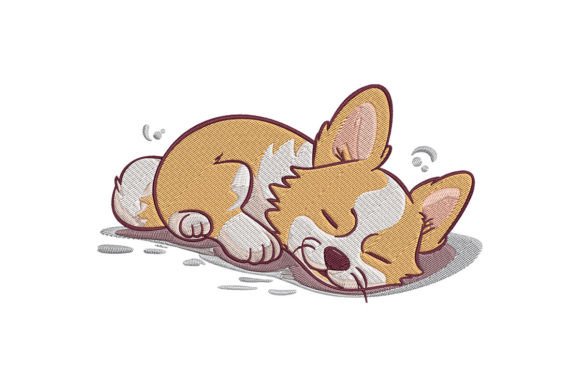
As an experienced embroidery designer preparing for a busy weekend at the local craft fair, I am constantly evaluating which digital embroidery file will translate best from screen to stitch. Today, I am reviewing the Cute Dog Sleeping Embroidery design, specifically focusing on its potential as a high-converting craft fair product. In the world of handmade goods, first impressions are everything. When a customer walks past my booth, they have mere seconds to decide if an item catches their eye. This design, featuring a sleeping corgi, immediately registers as soft, approachable, and undeniably cute. It fits perfectly within the Baby Animals category, tapping into the enduring popularity of pet-themed decor and apparel.
First Impressions and Market Appeal
The initial visual impact of the Cute Dog Sleeping Embroidery is one of warmth and comfort. Unlike bold, geometric patterns or intricate vintage florals that might appeal to specific niches, a sleeping dog has universal appeal. It feels rustic yet modern, making it versatile enough for a farmhouse kitchen or a trendy nursery. For an Etsy seller or boutique maker, this versatility is gold. The design does not scream "novelty" in a cheap way; instead, it exudes a handmade quality that suggests care and attention to detail. When placed on a display table alongside other items, this design acts as an emotional hook. People love dogs, and seeing one peacefully sleeping evokes a sense of calm that can stop a shopper in their tracks.
Ideal Products for Maximum Sales
In my experience, not every design works on every substrate. To maximize sales, we must match the machine embroidery design to the right finished product. Based on the description of this corgi design, here is where it will shine:
- Tote Bags and Market Bags: A tote bag design needs to be visible from a distance. Placing this sleeping corgi on a natural canvas tote creates an instant bestseller. The contrast of the thread against the neutral fabric highlights the details of the dog.
- Kitchen Linens: This is arguably the strongest category for this asset. Tea towel embroidery and apron embroidery are staple items at craft fairs. The cozy nature of a sleeping dog complements the homey vibe of a kitchen. It makes for an excellent gift item, which is a primary driver of fair sales.
- Pillow Covers and Home Decor: As a focal point on a throw pillow, this design adds character to a living room. It works well as wall art when framed, appealing to customers looking for unique nursery decor.
- Embroidered Patches: If the file allows for smaller scaling without losing detail, turning this into an embroided patch is a smart move. Patches are low-cost impulse buys that can significantly increase average transaction value.
Production Practicality and Batch Efficiency
For those of us running a small shop product line, time is money. The viability of the Cute Dog Sleeping Embroidery depends heavily on its production efficiency. A design that looks great but takes four hours to stitch is not sustainable for a high-volume vendor. Assuming standard optimization, this type of character design usually performs well in batch production. It is likely compact enough to fit multiple hoops on a large frame or quick enough to run while you manage customers at your booth.
Photography is another critical factor for online listings. This design photographs exceptionally well because the subject matter is clear and recognizable even in thumbnail size. Creating a printable mockup for your Etsy listings or social media ads should be straightforward. The distinct shape of the corgi ensures that the image remains crisp on screens, driving clicks and engagement before the customer even visits your shop.
Technical Considerations and Careful Use
While the aesthetic potential is high, a professional review must address the technical challenges. Every embroidery file has limitations, and ignoring them can lead to wasted materials and frustrated customers.
- Stitch Density and Fabric Texture: Pay close attention to the stitch density. If the design is too dense, it may cause puckering on lighter fabrics like t-shirts or thin tea towels. Conversely, if the density is too low, the backing fabric might show through, ruining the premium look. Always test on the actual fabric texture you intend to sell.
- Thread Colors and Contrast: The charm of this design relies on the subtle shading of the corgi's fur. Ensure your thread colors have enough contrast to define the sleeping features without looking muddy. On dark fabrics, you may need to adjust the underlay or use a lighter stabilizer to prevent the dark background from dulling the thread vibrancy.
- Scaling and Clarity: Tiny details, such as the dog's closed eyes or nose, can get lost if the design is scaled down too far for a small pocket or cap. Verify the minimum hoop size requirements. If the design loses clarity at smaller sizes, stick to larger applications like pillowcases or tote bags.
- Curved Surfaces: Stitching on caps requires careful hooping and often a different stabilizer approach than flat goods. The curved surface can distort the image if the design is wide. Test thoroughly on caps before adding them to your inventory.
Enhancing Brand Value and Customer Engagement
Ultimately, the goal of using the Cute Dog Sleeping Embroidery is to elevate your brand. Consistency is key. If your booth features a cohesive collection of animal-themed items, this design strengthens your brand identity as a specialist in whimsical, heartwarming goods. It encourages buyer engagement; customers are more likely to stop and chat about a cute dog than a generic pattern. This interaction builds rapport and increases the likelihood of a sale.
Furthermore, this design supports the narrative of high-quality commercial embroidery. When customers see clean stitches and thoughtful placement, they perceive higher value, allowing you to command better prices for your handmade product. It transforms a simple piece of fabric into a cherished keepsake.
Final Designer Notes for Success
Before committing to a full production run for your next market, adhere to these professional guidelines:
- Test on Scrap Fabric: Never skip the sampling phase. Stitch the design on the exact material you plan to use to check for registration issues or puckering.
- Review Stabilizer Choice: The right stabilizer is crucial for maintaining the shape of the sleeping corgi, especially on stretchy knits or textured towels.
- Check Licensing: Since this is a digital embroidery file intended for resale, confirm the commercial licensing terms. Ensure you are allowed to sell finished products made with this design assets.
- Create Real Mockups: While digital mockups are useful for listings, having a physical sample in your booth proves the quality of your work to skeptical buyers.
The description notes that the design comes with multiple formats, which is essential for compatibility with various machines. However, always verify the specific file types included to ensure they match your equipment. By treating the Cute Dog Sleeping Embroidery with the technical respect it deserves and placing it on the right products, you can turn a simple digital file into a standout star of your craft fair booth.