Friendly Bee Embroidery: A Designer's Review for Spring Projects
As a designer who spends more time staring at stitch maps than most people care to admit, I approach every new machine embroidery design with a mix of curiosity and skepticism. We've all seen those cute graphics that look perfect on a screen but turn into a tangled mess of thread breaks and puckering once they hit the hoop. That is why I took a close look at the Friendly Bee Embroidery design before committing it to any client work or personal projects. This isn't just about whether a bee looks like a bee; it is about how that bee behaves on a sweatshirt, a tote bag, or a delicate baby onesie.
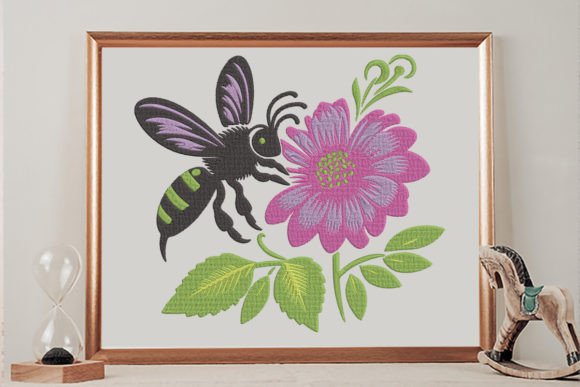
The first thing that strikes you about this floral-themed bee design is its mood. It feels undeniably spring-like, carrying a lightness that fits perfectly into the current trend of cottage-core aesthetics and nature-inspired home decor. The layout balances the insect subject with floral elements in a way that feels organic rather than forced. For those of us running a craft business or selling as an Etsy seller, visual personality is everything. Customers don't just buy a stitched image; they buy a feeling. This design evokes warmth, growth, and a touch of whimsy, making it a strong contender for seasonal collections.
Real-World Application: The Tote Bag Test
To truly understand the value of an embroidery file, you have to imagine it in a real-life scenario. Let's say you are preparing a custom order for a local farmer's market or a boutique shop. You have a stack of canvas tote bags ready to go. This is where Friendly Bee Embroidery shines. The combination of the bee and the surrounding flowers creates a self-contained composition that doesn't require additional text to make sense.
When I visualize this stitched onto a natural cotton canvas, the contrast between the satin stitch likely used for the bee's wings or outline and the fill stitch of the flower petals would create excellent texture. Texture is what separates a high-end handmade product from a cheap print. If you are creating custom apparel like a denim jacket or a linen apron, this design adds a focal point that draws the eye without overwhelming the garment. It suggests a level of care that increases the perceived value of the finished product, allowing you to price your items with more confidence.
Versatility Across Products
The beauty of a well-digitized bug design lies in its versatility. While it is categorized under Bugs, its application goes far beyond novelty items. Consider the potential for baby embroidery. A soft, pastel version of this design on a muslin swaddle blanket or a nursery pillow cover becomes a timeless keepsake rather than just a temporary decoration. Parents are always looking for gender-neutral, nature-themed decor, and this fits that niche perfectly.
For the small shop product line, think about sweatshirt embroidery. Placed on the left chest or as a larger back piece, this design works beautifully on fleece. However, you must consider the fabric texture. On thick fleece, fine details can get lost, so ensuring your stitch density is appropriate for the material is crucial. If the design includes tiny running stitches for vein details on leaves, they might disappear into the pile of the fabric. In such cases, simplifying the color palette or using a heavier weight thread might be necessary to maintain clarity.
Technical Considerations and Potential Pitfalls
No design is universally perfect for every situation, and a professional review must address where caution is needed. With Friendly Bee Embroidery, the primary concern revolves around the complexity of the floral elements surrounding the bee. If you are working with a small hoop size, you need to verify that the outer edges of the flowers do not get cut off or cramped. Always check the dimensions of the digital embroidery file against your available hoops before starting.
Furthermore, be mindful when stitching on stretchy fabrics or dark backgrounds. If the design relies on light thread colors for the flowers, stitching them directly onto a black hoodie without a proper underlay or stabilizer strategy can lead to the fabric showing through, ruining the crisp look. Using a tear-away or cut-away stabilizer is non-negotiable here to prevent puckering, especially since the design likely combines different stitch types which pull on the fabric in different directions.
Curved surfaces present another challenge. If you plan to use this for holiday embroidery gifts like caps or hats, remember that the center of the design needs to be carefully aligned. The floral spread might distort if the cap's curvature is too steep. In these instances, testing on a scrap piece of the exact same material is the only way to guarantee a professional result. Do not skip this step, especially if you are fulfilling orders for clients who expect perfection.
Enhancing Brand and Customer Trust
Ultimately, the choice of design assets impacts your brand consistency. Using a cohesive theme like Friendly Bee Embroidery across various products—tea towels, wall art, and patches—creates a recognizable collection. This recognition builds customer trust. When a buyer sees that your embroidered patch has the same high-quality finish as your t-shirts, they perceive your brand as reliable and professional.
For those creating printable mockups for online listings, this design offers great photogenic potential. The interplay of the bee and flowers creates natural shadows and highlights that look fantastic in photos, driving higher engagement on social media and marketplace listings. However, remember that a pretty picture must match the physical reality. Ensuring the thread colors you select match the vibrancy of your mockups is essential to avoid customer disappointment upon delivery.
Final Verdict and Designer Notes
Before you dive into production with Friendly Bee Embroidery, here are a few practical steps to ensure success. First, always test the design on scrap fabric that matches your final project material. Check the stitch density; if it feels too stiff or board-like after stitching, you may need to adjust your tension or digitizing settings if you have that capability, or choose a lighter fabric.
Review the thread colors suggested in the file. Sometimes, default color stops don't offer enough contrast. Don't be afraid to customize the palette to suit your specific brand colors or the garment you are decorating. Also, confirm the licensing terms. Since this is a commercial embroidery asset, ensure you have the right to sell finished items or if there are restrictions on the number of units you can produce.
In conclusion, Friendly Bee Embroidery is a charming, versatile addition to any designer's library. It bridges the gap between cute and sophisticated, making it suitable for everything from personalized gifts to boutique merchandise. By paying attention to fabric choice, stabilization, and placement, you can transform this simple embroidery project into a standout piece that resonates with customers and stands the test of time. Just remember, the devil—and the bee—is in the details.