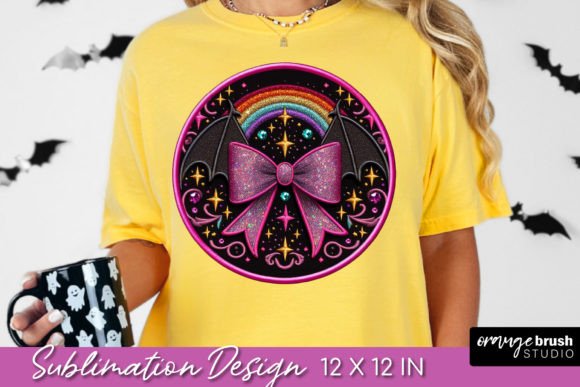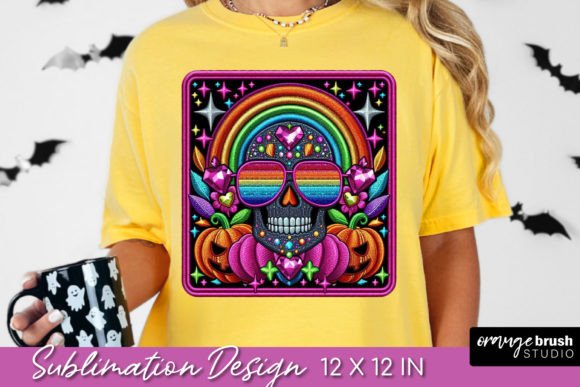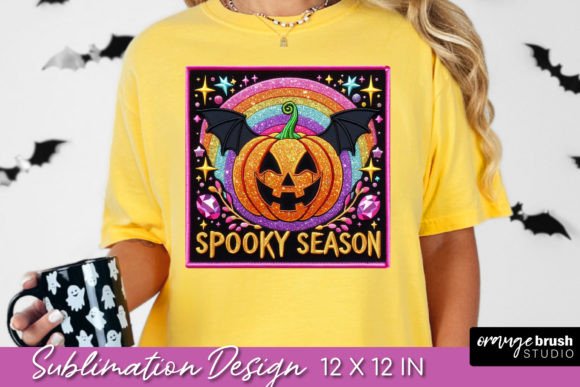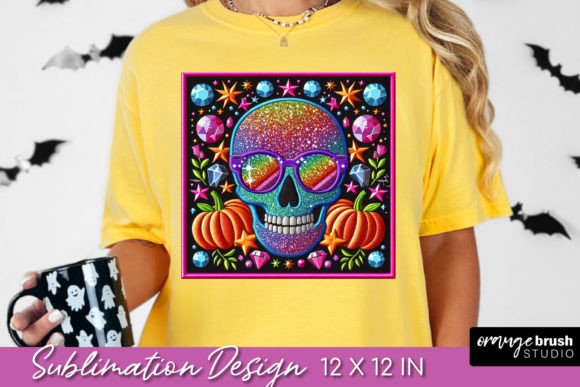
Halloween Coquette Faux Embroidery Patch Review
As an embroidery designer who spends most of my days digitizing logos and testing stitch patterns for small business clients, I am always on the lookout for design assets that bridge the gap between trendy aesthetics and commercial viability. Recently, I had the opportunity to review the Halloween Coquette Faux Embroidery Patch, a digital graphic intended for sublimation and print applications. While my primary trade involves thread and needle, the rise of "faux embroidery" in the Crafts and Graphics sectors has made it essential to evaluate how these digital designs translate into tangible branded merchandise. This review focuses on whether this specific asset holds up under the scrutiny of professional use for boutiques, cafés, and handmade brands.
First Impressions: A Blend of Playful and Premium
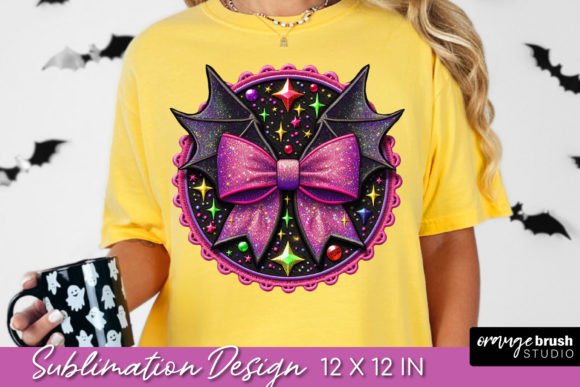
Upon opening the file, the first thing that strikes me about the Halloween Coquette Faux Embroidery Patch is its distinct visual personality. It manages to balance the whimsical nature of retro Halloween motifs with the delicate, feminine touch of the coquette trend. For a small business owner, this duality is gold. It feels friendly and approachable, yet stylized enough to appear premium when applied correctly. The design does not scream "cheap novelty"; instead, it offers a curated look that suggests a brand with attention to detail. Whether you are running a floral shop looking for seasonal apron accents or a pet brand launching limited-edition bandanas, this aesthetic fits seamlessly into a modern, creative studio environment.
The description notes that this is a sublimation design provided as a PNG. For those of us used to working with vector files for actual stitching, this requires a shift in mindset. This is not a machine embroidery design in the traditional sense, but rather a high-resolution graphic meant to mimic the texture of an embroidered patch. The "faux" element allows for intricate details that might be impossible or prohibitively expensive to stitch physically, making it a versatile tool for small business merch where cost-per-unit matters.
Real-World Application for Branded Merchandise
The true test of any design asset is its performance in real business scenarios. I evaluated how the Halloween Coquette Faux Embroidery Patch could function across various product lines common in the Crafts industry. Here is where this graphic shines:
- Staff Uniforms and Aprons: For a bakery or café, applying this via sublimation onto a polyester-blend apron creates a durable, wash-resistant logo that looks like a high-end sewn patch without the bulk. It adds a festive touch to apron embroidery alternatives during the October rush.
- Tote Bags and Packaging: Canvas tote bags are a staple for boutique retailers. Using this design as a central graphic or a corner accent elevates a standard bag into a collectible item. It works exceptionally well as a tote bag design that customers actually want to carry beyond the holiday season.
- Cap Branding: While traditional cap embroidery requires complex digitizing for curved surfaces, a sublimated patch sewn onto a flat-front cap offers a clean alternative. This design's retro vibe pairs perfectly with dad hats or trucker styles popular among creative studios.
- Etsy Branding and Gifts: For Etsy sellers, consistency is key. This asset can serve as a unifying visual element on packaging inserts, thank-you cards, or as a printable mockup for custom apparel listings, enhancing brand identity without requiring physical inventory of stitched patches.
Technical Considerations for Production
While the artistic merit is high, using a faux embroidery graphic requires different technical precautions than working with a standard digital embroidery file. Since this is a printed graphic mimicking stitches, you must be mindful of fabric texture. Sublimation works best on polyester or polymer-coated surfaces. If you attempt to transfer this onto 100% cotton without a proper coating or intermediate patch material, the vibrancy and the "stitched" illusion may fail.
Furthermore, when scaling the design for small applications, such as a sleeve detail or a tiny product label, ensure the resolution remains crisp. Unlike vector-based embroidery files that scale infinitely, raster images like this PNG have limits. I recommend testing the output at your intended size before committing to a large run. Also, consider the thread colors of any actual stitching you might combine with this patch. If you are sewing this faux patch onto a garment, the border stitching should complement the design's palette to maintain visual consistency.
Impact on Brand Identity and Customer Trust
In the competitive landscape of handmade products and local businesses, perception is reality. The Halloween Coquette Faux Embroidery Patch contributes positively to brand identity by signaling that a business is current and culturally aware. The coquette trend, characterized by bows and softness, combined with Halloween imagery, creates a niche appeal that resonates strongly with younger demographics and lifestyle consumers.
Using such a specific, well-designed asset enhances customer trust. It shows that the brand invests in quality visuals rather than relying on generic clip art. When a customer receives a tote bag or wears an apron featuring this design, the perceived value of the finished product increases. It transforms a simple transaction into an experience, fostering buyer engagement and encouraging social media sharing, which is vital for organic growth.
Designer Notes and Best Practices
Before integrating the Halloween Coquette Faux Embroidery Patch into your production line, heed these practical notes from a design perspective:
- Check Licensing: Always confirm commercial licensing terms before using any design asset for business purposes. Ensure the "1 individual" file receipt grants you the rights for mass production if that is your goal.
- Mockup First: Create a printable mockup to visualize how the faux texture interacts with your specific garment color. Dark uniforms may require a white underbase or a specific patch backing to make the colors pop.
- Test Durability: If this is going on items that need frequent washing, like staff shirts, test the sublimation transfer or the adhesion of the patch thoroughly. Faux embroidery should not peel or crack after the first wash.
- Contrast Check: Review the design in black and white to ensure the shapes are distinct. High contrast is essential for recognition, especially if the design is viewed from a distance on a booth banner or shop window.
- Verify Specifications: The product description mentions "1 sublimation design" and "PNG." It does not specify exact dimensions or DPI. Contact the creator or check the file properties to ensure it meets the resolution requirements for your printer to avoid pixelation.
In conclusion, the Halloween Coquette Faux Embroidery Patch is a compelling asset for small business owners looking to inject seasonal flair into their branding without the logistical hurdles of traditional embroidery. By understanding its nature as a high-quality graphic rather than a stitch file, and by applying it thoughtfully to the right materials, you can create standout custom apparel and merchandise that drives sales and strengthens your brand presence this Halloween season.