Halloween Embroidery Design Review for Craft Fairs
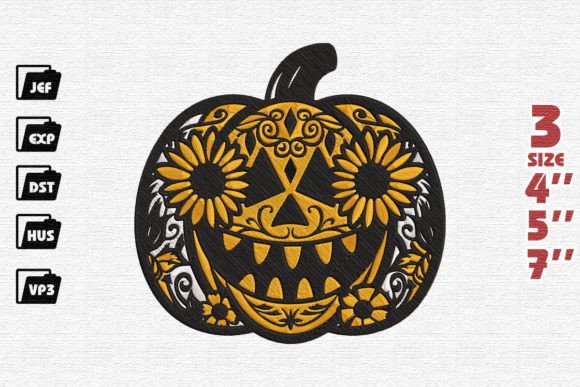
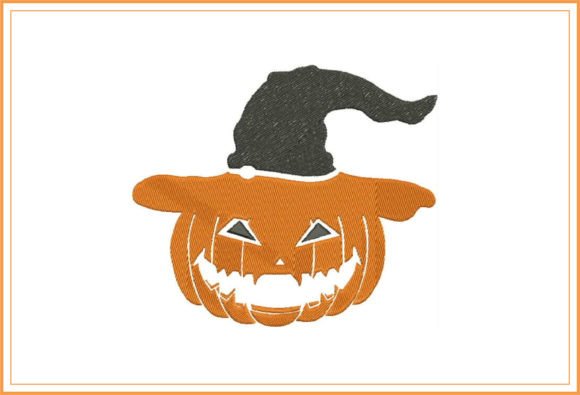
As an experienced embroidery designer preparing for the upcoming weekend craft fair circuit, my table strategy is everything. I am not just stitching for fun; I am curating a collection that needs to stop scrolling thumbs online and halt walking feet in person. This year, I am putting the Halloween Embroidery Design featuring a pumpkin and witch hat under the microscope. Before I commit to batch-producing dozens of items, I need to know if this digital embroidery file has the visual punch required to compete in a crowded handmade market.
First Impressions and Market Mood
The moment I loaded the preview of this machine embroidery design, the vibe was immediately clear: it strikes a perfect balance between festive and approachable. It is not scary or gore-focused, which limits its audience. Instead, it leans heavily into the "cute farmhouse" aesthetic that dominates current home decor trends. The combination of a pumpkin and a witch hat suggests a whimsical, friendly Halloween spirit. For a craft fair product, this is gold. Parents looking for kids' apparel and homeowners seeking seasonal decor are far more likely to buy something that feels cozy rather than terrifying. The design feels bold enough to be seen from three feet away but detailed enough to invite closer inspection, a critical factor for booth engagement.
Product Versatility and Display Strategy
When planning my booth layout, versatility is key to maximizing return on investment. This Halloween Embroidery Design shines across a wide range of substrates. Here is how I envision it performing on specific handmade product categories:
- Tote Bags and Market Bags: This is likely the strongest seller. A large hoop placement on a natural canvas tote allows the pumpkin and witch hat to serve as a focal point. It transforms a basic bag into a statement tote bag design perfect for trick-or-treating or carrying autumn groceries.
- Aprons and Tea Towels: Kitchen textiles are huge in October. As an apron embroidery piece, it works beautifully centered on the bib. For tea towel embroidery, placing it near the bottom hem creates a decorative accent that doesn't interfere with functionality.
- Patches and Pouches: If the design scales down well without losing definition, it becomes an excellent candidate for an embroidered patch. Iron-on patches are low-cost, high-margin items that appeal to impulse buyers. Similarly, small fabric pouches for makeup or coins make great add-on sales.
- Caps and Pillows: While viable, these require more caution. The curved surface of a cap can distort wider designs, and pillow covers demand precise centering to look premium.
Production Realities and Technical Considerations
Turning a digital embroidery file into a physical finished product requires more than just hitting "start." In a real-world production scenario, especially when batching for a fair, efficiency and quality control are paramount. One must carefully evaluate the stitch density of this specific design. If the pumpkin area is too dense, it may cause puckering on lighter fabrics like linen tea towels. Conversely, if the coverage is too light, the dark fabric of a black tote bag might show through, ruining the contrast.
Thread color selection is another make-or-break element. For this Halloween Embroidery Design, I would recommend using variegated orange threads for the pumpkin to add depth and a matte black for the witch hat to keep it sophisticated. However, before running a full production cycle, you must test the design on scrap fabric identical to your final material. Fabric texture plays a massive role; a waffle-weave towel will render details differently than a smooth cotton canvas.
Critical Areas for Quality Control
There are specific trouble spots where this type of seasonal design often fails if not managed correctly. Be wary of tiny details within the witch hat brim or the pumpkin stem. These areas can become muddy if the stitch density is too high or if the thread tension is off. Small lettering, if included in the variant you purchase, often becomes illegible on textured surfaces. Furthermore, when working with dark fabrics, ensure the underlay stitches are sufficient to prevent the background color from bleeding through the top stitches.
Curved surfaces, such as caps, present another challenge. A design that looks flat and perfect on a hoop may warp when applied to a rounded crown. Always create at least one real mockup on the actual product type you intend to sell. Do not rely solely on a printable mockup for your final quality check, as screens cannot replicate the tactile reality of thread on fabric.
Visual Appeal and Customer Engagement
In the context of an Etsy seller or a boutique maker, visual appeal drives clicks. This Halloween Embroidery Design offers strong brand consistency for shops specializing in seasonal goods. The imagery is instantly recognizable, meaning customers understand the product value within seconds. For a physical booth, this translates to faster decision-making. When a customer sees a cohesive display of tote bags, aprons, and pillows all featuring this unified motif, it creates a sense of a curated collection rather than random items. This boosts perceived value and encourages multiple purchases.
Photography for online listings also benefits from the high-contrast nature of pumpkins and witch hats. The orange and black palette pops against neutral backgrounds, making for striking social media posts and design assets for marketing materials. However, ensure your photos capture the texture of the stitching. Flat lighting can make embroidery look like a print; side lighting highlights the dimensionality that justifies the price of a small shop product.
Final Designer Notes and Licensing
Before launching this into your commercial embroidery lineup, there are administrative and technical boxes to check. First and foremost, confirm the commercial licensing terms. Just because you purchased the file does not automatically grant the right to sell finished goods; some designers restrict usage to personal projects only. Ensure you have the explicit right to sell products made with this embroidery file.
Additionally, verify the technical specifications provided by the creator. The prompt mentions the design allows for various projects, but it does not specify exact stitch counts, available formats, or recommended hoop sizes. You must check these details before production. Attempting to force a large design into a small hoop or using the wrong stabilizer can lead to wasted materials and frustrated customers. Use the appropriate stabilizer for your fabric weight—cut-away for stretchy knits and tear-away for stable wovens.
Ultimately, this Halloween Embroidery Design has the potential to be a standout performer for the autumn season. Its blend of cute aesthetics and practical application makes it ideal for the current market. By respecting the technical limitations of embroidery, testing thoroughly, and presenting it on high-quality blanks, you can turn this single digital asset into a profitable range of handmade treasures.