High Heel Pump Mini Embroidery: A Designer's Review
As I prepare my booth for the upcoming weekend craft fair, I am constantly evaluating which machine embroidery design will give me the best return on investment. Time is money when you are running a small shop product line, and every stitch needs to count. Today, I am taking a close look at the High Heel Pump Mini Embroidery. This isn't just about whether it looks cute on a screen; it is about how it performs under the bright lights of a market tent and whether it compels a browser to become a buyer.
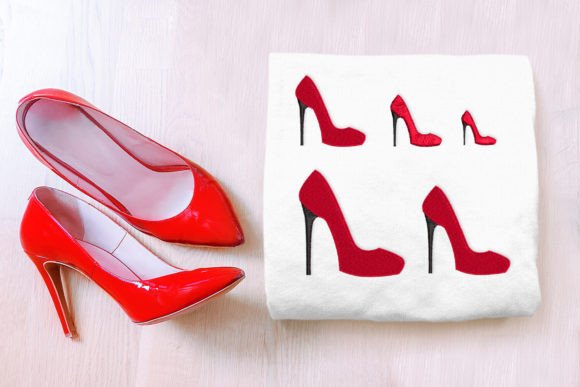
The first impression of this design is undeniably chic and modern. It strikes a balance between elegant and playful, making it a versatile asset for an Etsy seller or a boutique maker. The concept of a high-heeled shoe immediately signals fashion, femininity, and style. Because the description notes that the shoe can be made with a contrasting color for the heel or in a single tone, the visual potential is significant. For a craft fair product, this flexibility allows me to create a cohesive collection where some items pop with two-tone vibrancy while others offer a sophisticated, monochromatic look.
Visual Impact on Market Products
When setting up a table display, visual hierarchy is everything. Customers scan tables quickly, so a design must be understandable at a glance. The High Heel Pump Mini Embroidery excels here because the silhouette of a pump is universally recognized. It does not require explanation. On a tote bag design, this graphic serves as a perfect focal point. Imagine a canvas tote in a neutral cream color with a bold black pump stitched on the front; it instantly elevates a simple bag into a fashion statement.
For apron embroidery, this design adds a touch of whimsy to a functional item. Placed on the bib or the lower corner, it suggests that cooking or crafting can be done in style. Similarly, for tea towel embroidery, the mini size is ideal. Kitchen textiles often benefit from smaller, repeated motifs or a single centered accent. The clean lines of the shoe ensure that even from a distance, the shape remains distinct against the texture of the linen or cotton.
I also see strong potential for this design as an embroidered patch. Patches are huge sellers at handmade markets because they are low-cost impulse buys. If the High Heel Pump Mini Embroidery holds up well with a satin border, it could be applied to denim jackets, backpacks, or hats, expanding its reach beyond just home goods. For cap embroidery, the curved surface can be tricky, but a mini design often adapts better than large, complex scenes. However, one must be mindful of the curve; the heel of the shoe needs to sit flat enough so the perspective doesn't look distorted when worn.
Production Practicality and Batch Efficiency
From a production standpoint, the description mentions that in larger sizes, the shoe is filled embroidery, while at smaller sizes, the approach changes. This is a critical detail for a commercial embroidery operation. Filled areas provide a premium, solid look that customers associate with high quality, but they also increase stitch count and production time. If I am batching fifty tote bags for a holiday market, I need to know if the run time per unit fits my schedule.
The ability to switch between a contrasting heel and a single-color version is a massive advantage for inventory management. I can load one spool of thread for a batch of black pumps, then switch to a metallic gold for the heels on a special edition run without changing the entire file setup. This adaptability makes the digital embroidery file highly efficient for a busy creator. It photographs beautifully for online listings as well. A printable mockup featuring this design on a pillow cover or market bag would look professional and aspirational, helping to drive digital sales for those who prefer shopping from home.
However, practical selling requires honest assessment of limitations. The description cuts off slightly regarding the smaller sizes, implying a shift in technique, perhaps to running stitches or less density. This is where careful testing is non-negotiable. Tiny details can get lost if the stitch density is too high for the fabric type. On thick fabrics like terry cloth towels, a dense fill might sink or pucker. On textured fabrics, fine lines might break up. Before committing to a full production run, I would strongly advise testing the design on scrap fabric that matches your intended final product.
Strategic Placement and Customer Engagement
In a booth setting, the High Heel Pump Mini Embroidery works best when used to create a theme. Grouping items like pouches, pillow covers, and tote bags that all feature this shoe creates a "collection" feel. It tells a story about the brand being fashionable and detail-oriented. Customers are more likely to engage with a display that feels curated rather than random. The design acts as a brand identifier; if someone sees that specific shoe silhouette on Instagram and then spots it on your table, the recognition builds trust.
Value perception is another key factor. A simple tote bag might sell for $15, but add a crisp, well-executed embroidery of a high heel pump, and suddenly it feels like a $25 boutique item. The perceived value goes up because of the handmade quality and the specific aesthetic appeal. It transforms a generic Accessories item into a personalized gift. For the holiday season, pairing this design with red or green thread colors could make it a festive hit, while metallic threads could push it toward a luxury evening-wear vibe for bridal showers or bachelorette parties.
Critical Designer Notes for Success
To ensure the High Heel Pump Mini Embroidery performs flawlessly, there are several technical boxes to check before hooping your first final piece. First, verify the hoop size requirements. Even though it is a "mini" design, ensure your hoop allows for proper stabilization around the edges to prevent shifting. Second, review the thread colors carefully. If you opt for the contrasting heel, ensure the transition between colors is smooth and that the trim commands are clear in your machine software.
Stabilizer choice is paramount. For stretchy fabrics like jersey knits used in tees or soft pouches, a cut-away stabilizer is often safer than tear-away to maintain the shape of the shoe over time. For woven cottons on tea towels, a good quality tear-away might suffice, but always test for puckering. If you are working with dark fabric, remember that the underside of the stitching might show through if the fill isn't dense enough, so consider using a matching bobbin thread or an underlay adjustment.
Finally, do not assume the license terms. While this review focuses on the creative and physical application, you must confirm the commercial embroidery licensing before selling finished products. Some designers allow unlimited physical sales, while others have caps. Check the documentation included with the design assets. If the file format or specific stitch count isn't listed in the preview, reach out to the creator or check the product page details thoroughly. A surprise incompatibility with your machine or a license restriction the day before a fair can be disastrous.
In conclusion, the High Heel Pump Mini Embroidery is a strong contender for any maker looking to add a touch of glamour to their lineup. Its strength lies in its recognizability, its adaptability across different products like aprons and totes, and its potential for high-margin customization. With proper testing on fabric texture and attention to stitch density, this design can be a staple in your handmade product catalog, drawing eyes to your booth and keeping customers coming back for more.