Little Miss Texas Embroidery: A Designer's Real-World Review
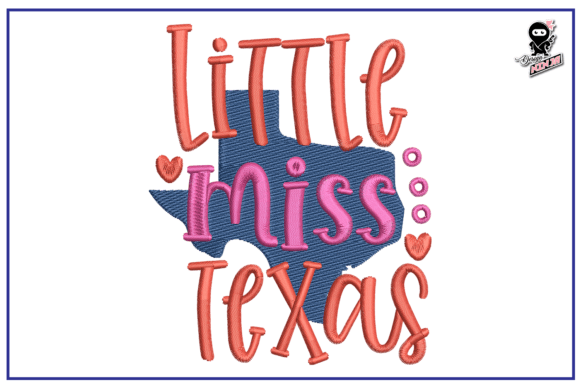
When I first pulled up the Little Miss Texas Embroidery file on my screen, my immediate reaction was one of nostalgic charm. As a designer who spends hours tweaking digitized files for clients, I look for more than just cute shapes; I look for structural integrity and visual personality. This design captures that specific Southern spirit without feeling cluttered or overly complex. It sits right in that sweet spot between whimsical and professional, making it a versatile asset for anyone running a craft business or looking to create meaningful handmade products.
The layout suggests a classic Cowboy theme but with a softened, approachable edge perfect for children's wear or boutique home decor. The lines appear clean, suggesting a balance of satin stitch for outlines and fill stitch for the body elements. For an experienced eye, this combination usually translates well to physical fabric, provided the stitch density is managed correctly during the actual run.
Putting the Design to the Test: A Real Project Scenario
To truly evaluate this machine embroidery design, I imagined a specific client request: a custom tote bag design for a local boutique specializing in regional gifts. The goal was to create something that felt authentic to Texas culture but appealing enough for tourists and locals alike. I visualized stitching Little Miss Texas Embroidery onto a heavy canvas tote using a natural thread palette—creams, warm browns, and a pop of turquoise.
In this scenario, the design shines because of its clear silhouette. When embroidered, the shape holds up well against the texture of canvas. Unlike some overly detailed digital files that turn into a muddy mess on textured fabrics, this design seems to have enough breathing room between elements. If you are an Etsy seller planning to list similar items, this clarity is crucial. Customers scrolling through thumbnails need to instantly recognize the subject, and this design delivers that immediate visual impact.
I also considered how it would perform as sweatshirt embroidery. On a fleece-backed garment, the design would add a cozy, personalized touch. The Cowboy aesthetic pairs naturally with the rugged feel of a sweatshirt, making it an ideal choice for fall collections or holiday gifts. However, one must be mindful of the fabric pile; if the fleece is too high, fine details might get lost. A test run on scrap material is non-negotiable here to ensure the finished product looks crisp.
Navigating Fabric Challenges and Hoop Constraints
While the design is charming, practical application requires caution. Not every surface is created equal. If you plan to use this on a cap, remember that curved surfaces distort designs. The hoop size compatibility is something you must verify before purchasing or stitching. If the design is too wide, it might not fit standard cap frames without resizing, which could compromise the legibility of any small text or intricate corners.
Similarly, working with stretchy fabrics like jersey knits for baby embroidery projects demands the right stabilizer. Without proper backing, the fill stitch areas could pucker, ruining the smooth look of the character. For dark fabrics, you will need to pay close attention to thread colors. A light-colored design on navy or black requires excellent coverage to prevent the fabric from showing through the stitches. I recommend running a black-and-white mockup first to check contrast levels before committing to your final embroidery project.
Another consideration is washability. Items like kitchen towels or aprons undergo frequent laundering. Dense stitch areas can sometimes become stiff or crack over time if the underlay isn't sufficient. While I cannot confirm the exact stitch count or underlay strategy without seeing the specific embroidery file data, these are the questions you should ask yourself or the vendor before mass-producing items for sale.
Enhancing Brand Value and Customer Appeal
From a branding perspective, Little Miss Texas Embroidery offers strong potential for building a cohesive product line. Whether you are creating personalized gifts for new parents or developing a collection of embroidered patch designs for jackets, consistency is key. This design has a distinct visual voice that can help establish recognition for your small shop product lineup.
For those selling digital embroidery files rather than finished goods, the presentation matters immensely. Your printable mockup needs to show the design in various contexts—on a onesie, a pillow cover, a tote—to help buyers visualize the end result. The versatility of this design makes it easier to market across different categories, from nursery decor to adult apparel.
Ultimately, the value of this design lies in its ability to evoke emotion. It feels handmade and thoughtful, which increases perceived value. Customers are often willing to pay a premium for items that feel unique and locally inspired. By choosing a design with strong character like this, you signal quality and attention to detail, fostering trust with your buyer base.
Final Designer Notes for Commercial Use
Before integrating Little Miss Texas Embroidery into your commercial workflow, take a moment to review the licensing terms. Ensure that the file allows for unlimited runs if you plan to sell hundreds of units. Always test the design on the specific fabric you intend to use; what looks good on cotton might behave differently on polyester blends.
- Check Stitch Density: Ensure the fill areas aren't too dense for lightweight fabrics to avoid puckering.
- Verify Hoop Size: Confirm the dimensions fit your machine's smallest and largest hoops depending on your project.
- Thread Contrast: Select thread colors that stand out against your chosen background, especially for dark garments.
- Stabilizer Selection: Match your stabilizer weight to the fabric type—cut-away for knits, tear-away for wovens.
- Detail Inspection: Zoom in on small corners and lettering to ensure they won't merge during stitching.
In conclusion, Little Miss Texas Embroidery is a solid contender for designers seeking a blend of regional flair and practical usability. It works best when treated with the respect of a professional commercial embroidery job—tested, stabilized, and placed thoughtfully. Whether you are decorating a single gift or stocking a boutique shelf, this design has the charm and structure to deliver a high-quality finished product that customers will love.